


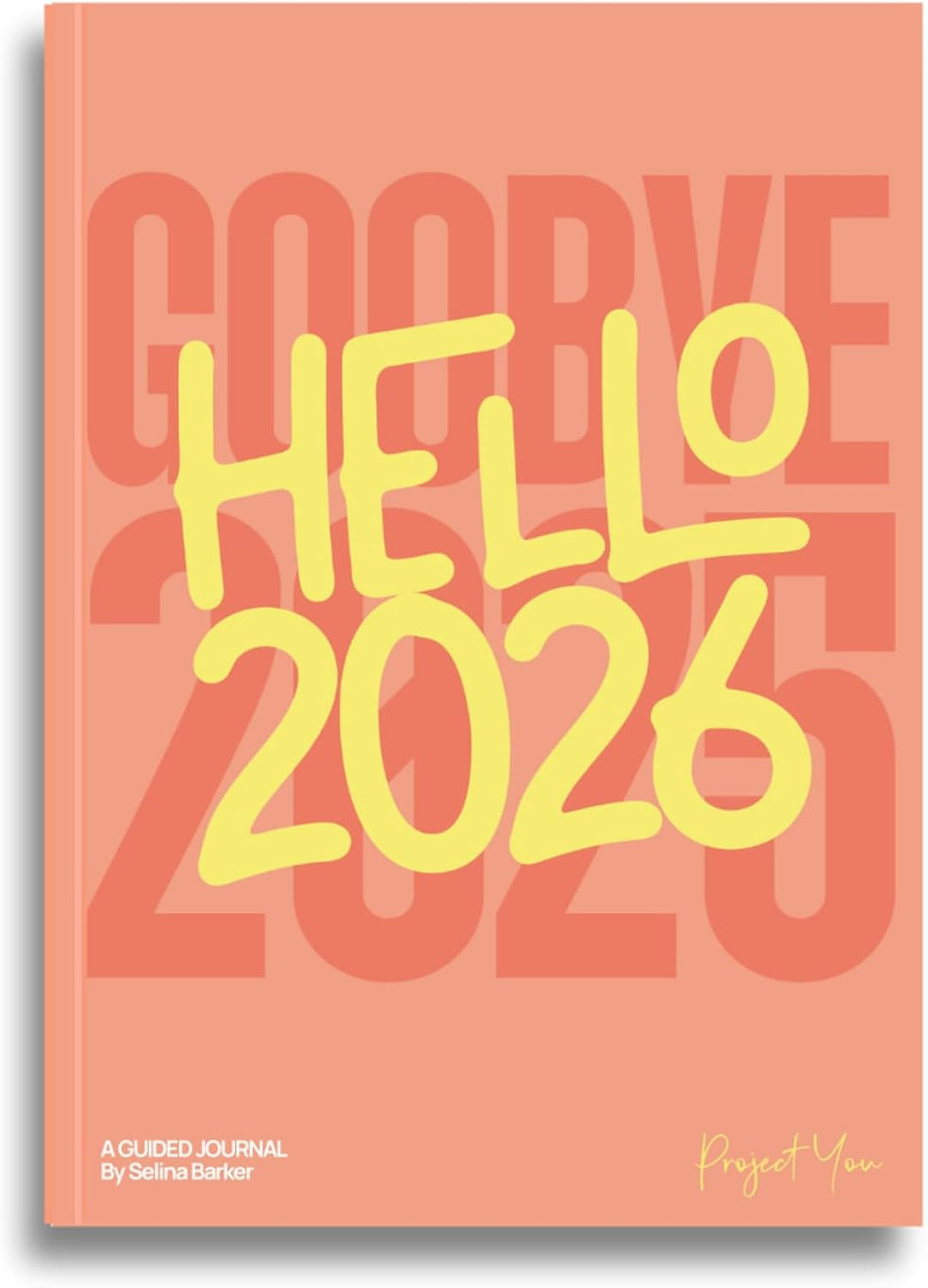
Goodbye 2025, Hello 2026 - A Guided Journal For Self-Reflection


As the year 2025 draws to a close, many of us feel the urge to pause and take stock of the months gone by. Reflecting on the past year can reveal insights about our growth, challenges, and moments of joy. This process helps us enter the new year with clarity and purpose. A guided journal for self-reflection offers a structured way to explore your experiences, set meaningful goals, and embrace the possibilities that 2026 holds.
Why Self-Reflection Matters at Year-End
Taking time to reflect is more than just looking back. It helps you understand your patterns, recognize achievements, and identify areas for improvement. Without reflection, it’s easy to repeat the same mistakes or overlook progress. Journaling encourages honesty and mindfulness, making your reflections more impactful.
Consider this: studies show that people who regularly journal experience reduced stress and improved emotional well-being. Writing down your thoughts can clarify your feelings and help you process complex experiences. As you say goodbye to 2025, this practice can be a powerful tool to prepare for the year ahead.
Setting Up Your Guided Journal
To get started, choose a quiet space where you feel comfortable and won’t be interrupted. Use a notebook or digital app—whatever feels right for you. The key is consistency, so try to set aside 15 to 30 minutes each day or week for your journaling.
Here are some prompts to guide your entries:
What were the three most significant moments of 2025 for me?
What challenges did I face, and how did I respond?
Which habits or routines helped me grow?
What relationships had the biggest impact on my life?
What did I learn about myself this year?
What am I grateful for as 2025 ends?
Answering these questions honestly will help you uncover patterns and insights that might otherwise go unnoticed.
Reflecting on Achievements and Challenges
It’s easy to focus on what went wrong during the year, but acknowledging your achievements is equally important. Write about moments when you felt proud or accomplished, no matter how small. Maybe you completed a project, improved your health, or strengthened a friendship. These wins build confidence and motivation.
At the same time, explore the challenges you faced. What obstacles slowed you down? How did you handle setbacks? Reflecting on these experiences can reveal your resilience and areas where you might want to grow. For example, if stress overwhelmed you at times, consider ways to manage it better in 2026.
Exploring Personal Growth and Lessons Learned
Every year brings lessons that shape who we are. Use your journal to identify these lessons clearly. Did you discover new strengths? Did you realize certain beliefs no longer serve you? Writing about growth helps solidify these insights.
You might also want to explore how your values or priorities shifted. For instance, maybe you found more joy in simple moments or decided to focus more on self-care. Recognizing these changes can guide your decisions in the new year.
Setting Intentions for 2026
Reflection naturally leads to intention-setting. Instead of vague resolutions, try setting clear, achievable goals based on your journal insights. For example:
If you noticed stress was a major issue, set an intention to practice mindfulness or exercise regularly.
If relationships mattered most, plan to spend more quality time with loved ones.
If you want to learn a new skill, outline steps to start a course or join a group.
Write your intentions in your journal and revisit them regularly. This keeps you accountable and allows you to adjust as needed.
Tips for Maintaining Your Journal Practice
Keeping a journal can be challenging, especially when life gets busy. Here are some tips to stay on track:
Keep your journal visible, like on your nightstand or desk.
Set a regular time for journaling, such as morning or before bed.
Don’t worry about grammar or spelling; focus on honest expression.
Use bullet points or short sentences if that feels easier.
Celebrate your commitment to self-reflection as a form of self-care.
Embracing the New Year with Openness
As you close your journal on the last page of 2025, take a moment to appreciate your journey. Self-reflection is not about perfection but about understanding and growth. By saying goodbye to the past year with intention, you open the door to a more mindful and fulfilling 2026.
Remember, your journal is a personal space. There is no right or wrong way to use it. The most important part is that it supports your well-being and helps you move forward with clarity.


Comments